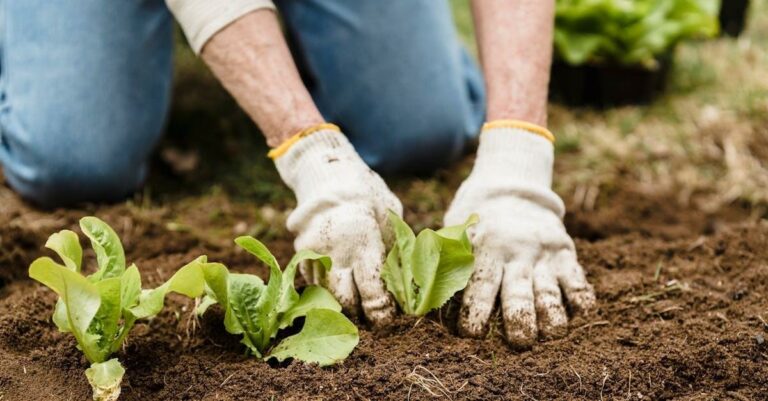


In the Sunshine State, growing your own veggies isn’t just a hobby; it’s a lifestyle. Florida’s unique climate offers a year-round gardening paradise, but navigating what to plant each month can feel like trying to find a needle in a haystack. Fear not, aspiring green thumbs! This guide breaks it down month by month, so you won’t end up with a garden full of confused tomatoes and rebellious peppers.
florida vegetable gardening month-by month
January marks the beginning of a new gardening year in Florida. This month involves critical steps in preparation for a successful growing season.
Seed Selection
Choosing the right seeds forms the foundation of a fruitful garden. Popular options for Florida include tomatoes, peppers, and cucumbers. Consider selecting disease-resistant varieties, as they thrive in warm climates. Local garden centers often provide seeds suited to Florida’s unique conditions. Heirloom seeds offer a flavorful choice, promoting biodiversity. Start planning for succession planting, which maximizes harvests throughout the year. Research specific growing requirements for each variety, ensuring proper growth.
Soil Preparation
Preparing the soil ensures optimal conditions for growth. Testing soil pH reveals necessary adjustments; most vegetables thrive in slightly acidic to neutral soil. Amending soil with organic matter, such as compost, boosts nutrient content and enhances drainage. Tilling the soil improves aeration and helps roots establish firmly. Inspect for pests or diseases that might linger from previous crops. Creating raised beds can increase drainage and provide a controlled environment. Consistent soil preparation now leads to healthier plants later in the season.
February: Starting Seeds Indoors
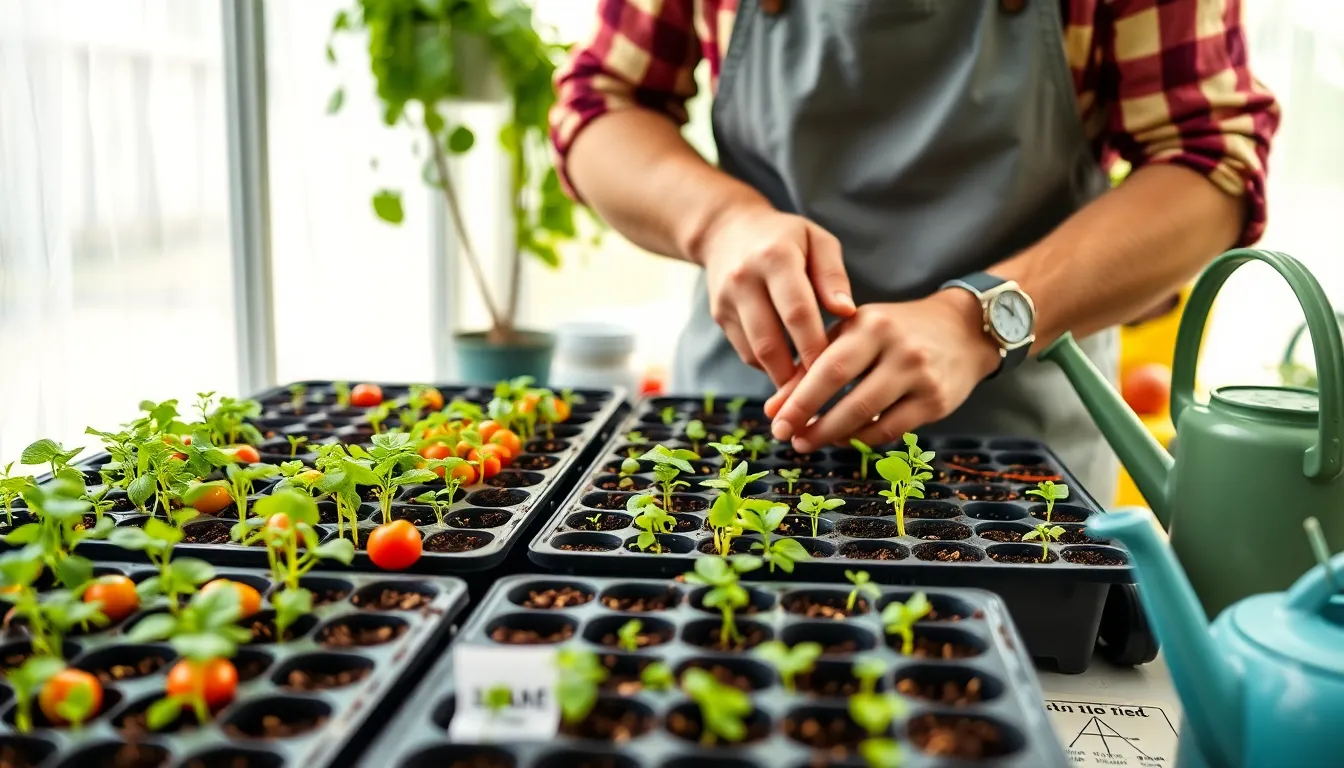
February marks an ideal time for starting seeds indoors in Florida, as it sets the stage for a productive gardening season. Gardeners can begin sowing a variety of seeds to take advantage of the lengthening days.
Recommended Vegetables
Tomatoes, peppers, and eggplants thrive when started indoors this month. Additionally, broccoli and cabbage seeds establish well and flourish in early Florida temperatures. Spinach and lettuce also benefit from early indoor sowing, allowing for a head start. Each of these vegetables offers unique flavors and nutritional benefits, making them valuable additions to any garden.
Germination Tips
Maintaining consistent warmth fosters successful germination. Use seed trays or pots filled with quality seed-starting mix to ensure proper drainage. Lightly misting the soil helps keep it moist, aiding seed development. Providing 12 to 16 hours of light daily encourages strong seedling growth, so consider using grow lights if adequate sunlight isn’t available. Monitoring moisture levels ensures seedlings don’t dry out, which can hinder growth.
March: Preparing for Spring Planting
In March, gardeners prepare for the spring planting season in Florida. It’s essential to get organized and ready for a fruitful gardening experience.
Outdoor Preparation
Gardeners should focus on clearing debris and weeds from garden beds. Soil amendments enhance nutrient content, so incorporating compost and aged manure benefits plant health. Testing soil pH aids in understanding nutrient availability. Raised beds improve drainage, making them ideal for the humid climate. Planning garden layouts ensures efficient spacing for vegetables such as tomatoes, peppers, and squash. Lastly, installing supportive structures like trellises provides stability for climbing plants.
Fertilization Strategies
Fertilizing in March sets the stage for vigorous growth. Gardeners can begin using a balanced fertilizer formula to support seedling development. Organic options, including fish emulsion and seaweed extracts, promote healthy roots. Timing fertilization with watering enhances nutrient absorption. Applying slow-release fertilizers reduces the frequency of applications while maintaining steady plant nutrition. Tailoring fertilization to specific vegetable needs ensures optimal growth conditions throughout the season. Observing plants for signs of nutrient deficiencies allows quick adjustments.
April: Planting and Maintenance
April marks a vibrant time for gardeners in Florida as temperatures rise and planting opportunities expand. It’s crucial for gardeners to focus on direct seeding and using transplants for optimal vegetable growth.
Direct Seeding vs. Transplants
Direct seeding offers a straightforward approach, allowing seeds to be sown directly into the garden soil. This method suits fast-growing vegetables like radishes, carrots, and beans. Transplants, on the other hand, provide a head start for slower-growing crops. Tomatoes, peppers, and eggplants thrive when transplanted from seedlings started indoors earlier in the year. Both methods present unique benefits. Direct seeding simplifies the planting process while transplants foster earlier harvests. Gardeners should consider their specific crop choices and growth timelines when deciding between these methods.
Pest Control Methods
Effective pest control remains essential for maintaining healthy gardens in April. Integrated Pest Management (IPM) strategies stand out as proactive solutions. Utilizing companion planting can naturally deter pests; for example, marigolds repel nematodes and aphids. Additionally, regular monitoring of plants for signs of infestations aids in early detection. Organic insecticides offer safe options for treating serious outbreaks if needed. Neem oil and insecticidal soap effectively target specific pests without harming beneficial insects. Establishing physical barriers like row covers can also protect young plants from pests. Overall, these methods help ensure a productive gardening experience as crops flourish throughout the month.
May: Early Summer Care
May marks an essential period for maintaining vegetable gardens in Florida as summer approaches. Gardeners need to adjust their care routines to support plant growth during warmer temperatures.
Watering Techniques
Watering techniques become crucial as temperatures rise. Deep watering is recommended to encourage strong root systems; this method allows roots to grow deeper into the soil. Morning hours are the best time for watering, as evaporation rates are lower, ensuring plants receive more moisture. Soil moisture monitoring is vital; using a moisture meter can guide when to water again. Consider implementing drip irrigation systems to deliver targeted hydration directly to the roots, reducing water waste while maintaining optimal moisture levels.
Mulching Benefits
Mulching provides numerous benefits during the warm month of May. Organic mulches, such as straw, wood chips, or grass clippings, help retain soil moisture, preventing rapid evaporation. This practice also suppresses weeds, reducing competition for nutrients and water. As the mulch decomposes, it enriches the soil, promoting healthier plant growth. Additionally, mulch can moderate soil temperature, keeping roots cool during hot days. Applying a layer of 2-4 inches around plants creates a favorable environment for flourishing vegetable gardens.
June: Harvesting Cool Season Crops
June marks the time for harvesting cool season crops. This month showcases bountiful yields from earlier planted seeds.
Best Practices for Harvesting
Harvesting should occur during the cool parts of the day, either early morning or late afternoon. While gathering, handle produce gently to avoid bruising and damage. Use clean and sharp tools for cutting vegetables like lettuce and broccoli. It’s important to check for ripeness as different vegetables have unique indications. For instance, cucumbers turn a vibrant green when ready, while peppers exhibit glossy skin. Gradual harvesting encourages continuous production from the plants. After collection, cool the vegetables quickly to enhance their freshness during storage.
Preserving Your Produce
Preservation methods can extend the life of harvested vegetables and improve their flavor. Freezing works effectively for vegetables like zucchini, which retain quality when blanched before freezing. Canning provides an alternative, allowing gardeners to enjoy tastes year-round. For example, tomatoes can transform into sauces or salsas for later use. Dehydrating vegetables offers a unique texture and concentrates their flavors. Storing in cool, dark places helps maintain quality for longer durations. Labels can assist in keeping track of dates and contents for future reference.
July: Mid-Summer Adjustments
July marks a critical time for Florida gardeners to adjust their practices in response to mid-summer heat. Managing heat stress becomes essential to maintain vegetable health and productivity.
Dealing with Heat Stress
Heat stress significantly impacts vegetables, causing wilting and slower growth. Implementing shading solutions like row covers or shade cloth can protect plants during the hottest hours of the day. Noticing soil moisture levels is crucial, as increased evaporation can lead to drought stress. Watering deeply and less frequently encourages root development and resilience to heat. Timing watering for early morning or late afternoon helps reduce evaporation. Maintaining mulch layers minimizes soil temperature fluctuations and retains moisture. Monitoring plant health regularly allows for prompt adjustments if signs of heat-related damage appear.
Companion Planting Strategies
Companion planting serves as an effective strategy to improve garden resilience amid July’s challenges. Pairing heat-tolerant crops such as okra and eggplant with aromatic herbs like basil enhances pest control and maximizes space. Utilizing marigolds alongside vegetables helps deter nematodes and other pests. Introducing beneficial insects through companions like dill or parsley promotes natural pest management. Each companion plant offers unique benefits, creating a symbiotic garden environment. Planning combinations that thrive together fosters a more productive and diverse growing space. Regularly observing interactions among plants aids in refining planting strategies for optimal results.
August: Planning for Fall Crops
August signals the transition into fall gardening. Gardeners focus on preparing their soil and planning for crops that thrive in cooler months.
Adequate Soil Nourishment
Soil quality impacts plant health significantly. Testing soil pH and nutrient levels helps identify necessary amendments. Incorporating compost enriches the soil, enhancing its fertility. Organic amendments, such as aged manure or worm castings, offer additional nutrients for robust vegetable growth. It’s essential to turn the soil adequately to enhance aeration and drainage. Organic matter improves soil structure, making it easier for roots to penetrate. Improving soil health during August sets the stage for healthier plants in the fall.
Fall Vegetable Options
Choosing the right vegetables leads to a successful fall harvest. Popular fall crops include broccoli, Brussels sprouts, and kale due to their resilience in cooler weather. Radishes mature quickly, making them an excellent option for staggered planting. Carrots thrive in the cooler temperatures of fall, so including them ensures variety. Garlic can be planted in October for a late spring harvest. Furthermore, spinach and lettuce provide fresh greens for the table as temperatures drop. Considering these vegetables allows for a diverse and productive fall garden.
September: Planting Fall Vegetables
September marks the ideal time for planting fall vegetables in Florida. Gardeners can reap the benefits of cooler temperatures as they establish their fall crops.
Timing and Strategies
Timing plays a crucial role in fall planting. Begin sowing seeds in early September for vegetables like kale, broccoli, and lettuce. Transplants excel for crops like peppers and tomatoes, providing a head start in growth. Opt for 6 to 8 weeks of growing time before the first frost to allow adequate maturity. Consider using row covers to protect young plants from unexpected temperature drops. Utilizing soil amendments, such as compost, enhances soil fertility and improves crop yields.
Care Guidelines
Care guidelines ensure healthy growth throughout the fall season. Watering frequency should increase as plants establish roots, focusing on morning hydration to minimize evaporation. Applying mulch serves multiple purposes, including moisture retention and weed suppression. Monitor soil moisture levels with a meter to adjust hydration as needed. Regularly inspect for pest activity, implementing Integrated Pest Management (IPM) strategies when necessary. Finally, fertilizing with balanced nutrients supports robust vegetable development.
October: Maintenance and Harvest
October represents the transition to the harvest season in Florida vegetable gardening. Gardeners focus on maintenance and begin to enjoy the fruits of their labor.
End of Season Care
Maintaining garden health remains crucial in October. It’s essential to remove any dead plants or debris to reduce pest infestations. Mulching around crops helps retain moisture and suppress weeds as temperatures gradually cool. Providing adequate water supports remaining crops in their final growth phases. Fertilizing with a balanced organic mixture strengthens plants while preparing the soil for the next planting season. Observing plant health closely is vital to manage any late-season pests or diseases effectively.
Storing Vegetables
Proper storage techniques prolong the freshness of harvested vegetables. Keep root vegetables like carrots and potatoes in cool, dark locations to prevent spoilage. Leafy greens require refrigeration for optimal freshness, while tomatoes thrive better at room temperature. Regular checks for bruised or overripe produce encourage timely usage or preservation. Techniques such as freezing, canning, or dehydrating preserve vegetables for months, enabling enjoyment well past the gardening season. Labeling stored items with dates helps track freshness and maintain quality.
November: Preparing for Winter
As temperatures drop in November, preparation for winter gardening becomes essential. Gardeners can maximize soil health and ensure a productive garden by incorporating specific practices.
Cover Crops Benefits
Cover crops play a significant role during the winter months. They prevent soil erosion, improve soil structure, and enhance nutrient content. Options like clover, rye, and vetch fix nitrogen, promoting robust soil health. These crops also suppress weeds, reducing competition for nutrients and moisture when spring planting resumes. Additionally, cover crops provide organic matter that enriches the soil as they decompose. Implementing cover crops marks a proactive step in sustainable gardening practices.
Winter Gardening Tips
Winter gardening in Florida offers unique opportunities. Utilize cold frames or row covers to protect sensitive crops from frosts and maintain warmth. Plant hearty vegetables such as kale, carrots, and garlic to ensure growth throughout the cooler months. Watering strategies require adjustments; early mornings are ideal to minimize evaporation. Incorporating mulch helps retain soil moisture and regulate temperature, fostering a healthy environment for winter crops. Regular monitoring for pests is crucial for maintaining plant health.
December: Reflection and Planning
December offers a chance for gardeners in Florida to reflect on their gardening experiences over the past year. Each season’s unique challenges and successes provide valuable lessons.
Lessons Learned
Evaluating plant performance can highlight which vegetables thrived and which ones struggled. Understanding pest behaviors helps in developing better management strategies. Consider documenting specific weather conditions to see how they influenced crop growth. Observing which planting techniques worked successfully aids in fine-tuning practices for future seasons. Assessing soil health toward the end of the year reinforces the significance of amendments and testing. Each observation supports continual improvement in gardening techniques.
Planning for Next Year
Defining goals for the upcoming gardening year provides direction. Establishing a calendar for planting dates ensures alignment with optimal growing conditions. Selecting new varieties can bring excitement and diversity to the garden. Incorporating lessons learned into planning cycles fosters more successful crops. Researching crop rotation strategies enhances soil health and minimizes pests. Finally, ensuring sufficient resources and tools ahead of time prepares gardeners for a productive season.
Conclusion
Florida’s vegetable gardening journey offers a unique blend of challenges and rewards throughout the year. By understanding the month-by-month planting and care strategies, gardeners can maximize their success and enjoy bountiful harvests. Each month brings new opportunities to refine techniques and adapt to changing conditions.
With careful planning and attention to seasonal needs, Florida gardeners can cultivate a thriving vegetable garden that not only provides fresh produce but also fosters a deeper connection to the land. Embracing the gardening lifestyle in Florida means celebrating the joy of growing, harvesting, and sharing the fruits of one’s labor.