

Starting a vegetable garden might sound like a daunting task, but it can be as easy as pie—if pie were made from fresh tomatoes and crunchy cucumbers. For beginners, the idea of digging in the dirt and nurturing plants can seem overwhelming. But fear not! With a little guidance and a dash of humor, anyone can transform their backyard into a green paradise.
Vegetable Garden for beginners
Vegetable gardening involves several key elements that every beginner must grasp. Focusing on location and soil quality significantly impacts the garden’s success.
Choosing the Right Location
Selecting an ideal spot for a vegetable garden requires attention to sunlight. Most vegetables thrive in full sun, receiving at least six to eight hours daily. Assessing proximity to water sources also proves beneficial for easier maintenance. Elevated areas typically offer better drainage, preventing waterlogged soil. Considering wind exposure helps protect delicate plants from damage. A flat area simplifies planting and harvesting vegetable crops.
Assessing Soil Quality
Soil quality directly affects plant health and yield. Testing the pH level can guide choices in fertilizers and amendments. Optimal pH for most vegetables ranges from 6.0 to 7.0. Checking for organic matter ensures the soil is nutrient-rich, supporting healthy growth. Evaluating drainage characteristics prevents root diseases associated with standing water. Identifying soil texture aids in determining the best planting techniques. Organic compost enhances soil fertility, encouraging vibrant vegetable growth.
Essential Tools for a Beginner’s Vegetable Garden
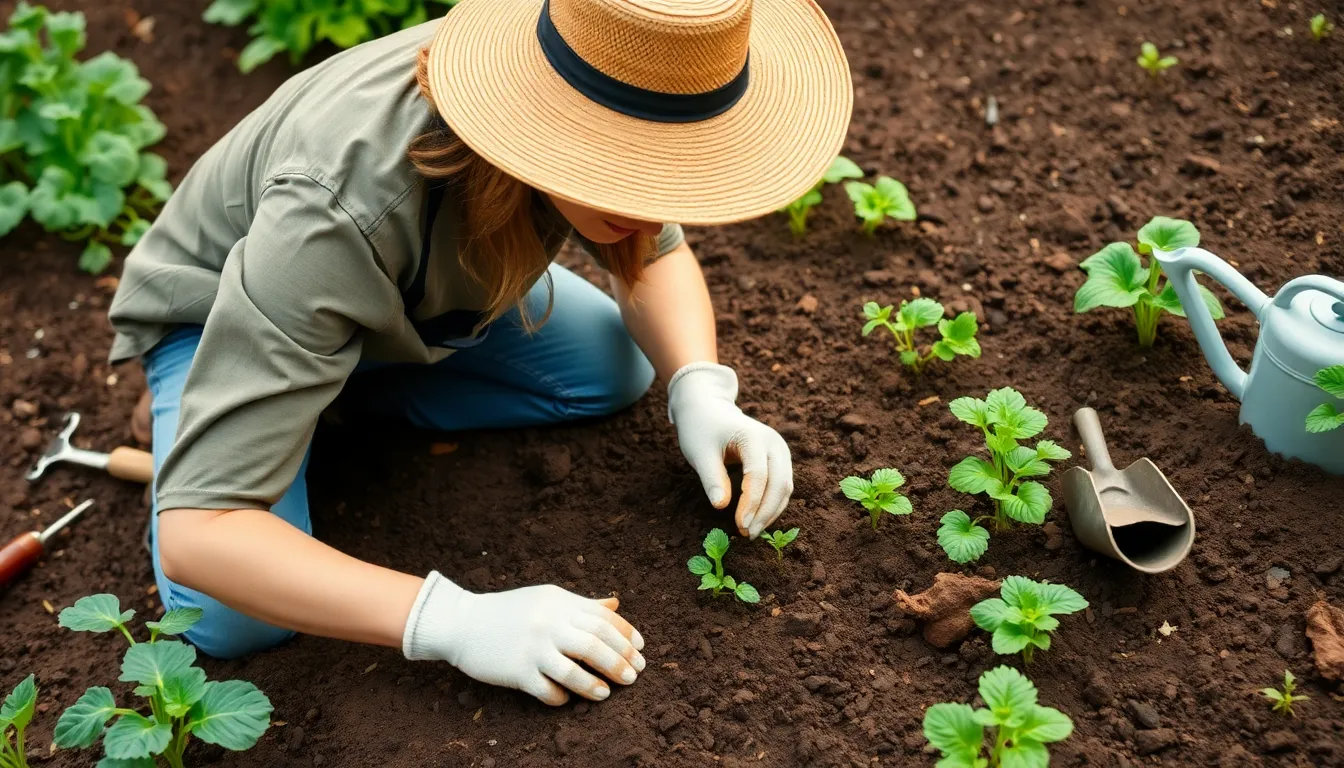
Starting a vegetable garden requires a few essential tools that streamline the gardening process and make it enjoyable. Investing in the right equipment helps beginners cultivate their green spaces effectively.
Recommended Gardening Tools
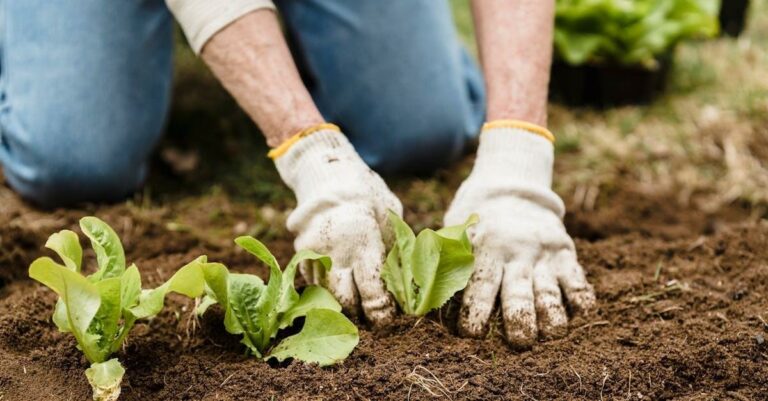
Beginners should consider essential tools for a successful garden. A trowel assists with digging holes for planting seeds and transplanting seedlings. Pruning shears enable clean cuts on branches and plants, promoting healthy growth. A garden fork helps aerate soil, ensuring proper drainage and nutrient absorption. Additionally, a watering can or hose with a spray nozzle provides adequate moisture to plants without excess runoff. Lastly, a sturdy pair of gardening gloves protects hands while working in the soil.
Safety Equipment for Beginners
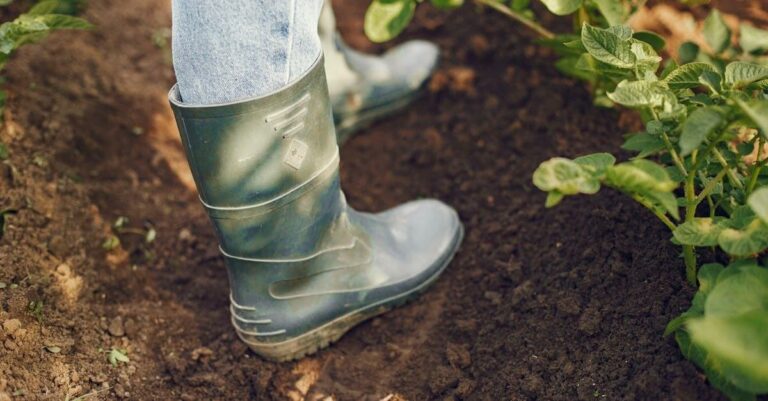
Safety gear is crucial for protecting beginners during gardening activities. A pair of gardening gloves prevents skin irritation and keeps hands clean. Sturdy footwear supports comfortable mobility around the garden. Eye protection ensures safety when cutting or pruning plants. Consider using sunscreen to shield skin from sun exposure during long hours outdoors. A hat not only protects from sunlight but also improves comfort while gardening.
Selecting Your First Vegetables
Choosing the right vegetables makes starting a garden enjoyable and rewarding. Beginners should prioritize easy-to-grow options.
Best Vegetables for Beginners
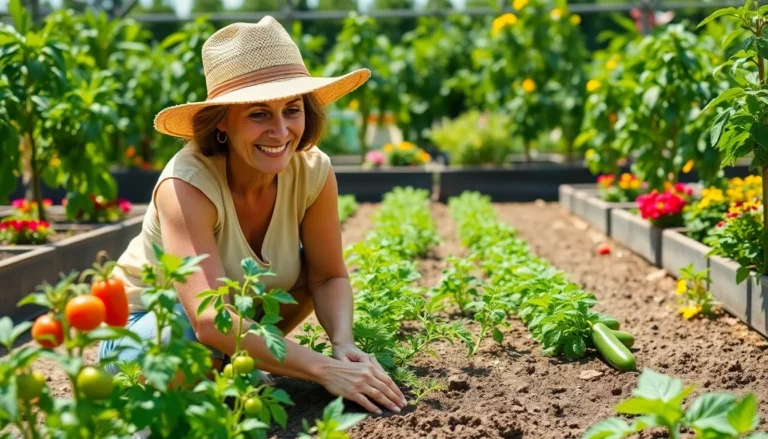
Lettuce thrives in cooler weather and grows rapidly, making it suitable for new gardeners. Radishes also sprout quickly, typically within three to four weeks. Carrots provide a longer growing season and require minimal maintenance once established. Zucchini offers a generous yield and is straightforward to cultivate. Additionally, tomatoes, especially cherry varieties, are popular for their flavor and resilience. Each of these vegetables accommodates various climates and soil types.
Seasonal Considerations
Planting times vary depending on the vegetable and location. Cool-season crops such as spinach and peas flourish in early spring. Warm-season crops like beans and corn prefer planting after the last frost. Understanding local frost dates and growing seasons helps enhance success rates. Using a gardening calendar aids in planning. Checking soil temperatures can also inform planting decisions, ensuring optimal conditions for seed germination. Adjusting planting schedules based on seasonal changes leads to a productive garden.
Planting and Maintenance Tips
Successful vegetable gardening involves precise techniques and consistent care. Beginners benefit from understanding proper planting and maintenance strategies for optimal results.
Proper Planting Techniques
Spacing plants correctly is crucial for airflow and sunlight access. Plant seeds or seedlings according to the specific requirements listed on seed packets. Digging holes at the recommended depth encourages strong root development. Covering seeds lightly with soil aids germination, while firming the soil eliminates air pockets. Choosing the right time for planting, based on seasonal guidelines, enhances growth potential. Early morning planting provides a cooler environment for seedlings to adjust. Regular observation helps identify any issues early on.
Watering and Fertilizing
Moisture plays a vital role in vegetable health. Water vegetables consistently, ensuring the top inch of soil remains damp. An irrigation system allows for balanced hydration, while drip irrigation conserves water and directs moisture to roots. Applying mulch retains moisture and suppresses weeds. Fertilizing at the right intervals boosts growth; following soil test recommendations ensures proper nutrients are used. Organic options like compost and well-rotted manure provide essential nutrients while improving soil structure. It’s essential to monitor plant health and adjust care based on their needs.
Troubleshooting Common Issues
Beginners may encounter several issues when starting a vegetable garden. Troubleshooting these problems quickly can ensure a thriving garden.
Pests and Diseases
Begin by monitoring plants regularly for signs of pests like aphids or caterpillars. Identification is key; some insects can cause significant damage. Hand-picking pests off or using insecticidal soap can help control minor infestations. Diseases commonly manifest as discoloration or wilting. Ensuring good airflow between plants reduces the likelihood of fungal diseases. Healthy plants are less susceptible; focus on maintaining strong soil health through regular fertilization and proper watering techniques.
Environmental Challenges
Weather fluctuations can affect plant growth. Extreme heat stresses plants, causing wilting or sunburn. Providing shade cloth during particularly hot days can minimize damage. Heavy rains may lead to waterlogged soil, which disrupts root functions. Raised garden beds improve drainage and encourage healthy root development. Cold snaps pose risks, too; applying row covers protects young plants from frost. Garden positioning also matters; planting in areas with protection from harsh winds enhances stability and promotes growth.
Conclusion
Starting a vegetable garden can be a rewarding journey for beginners. With the right tools knowledge and a little patience anyone can transform their outdoor space into a vibrant source of fresh produce. By focusing on essential practices like soil health proper planting techniques and consistent maintenance gardeners can cultivate a thriving garden.
Embracing the process allows for learning and growth not just for the plants but for the gardener as well. Whether it’s enjoying the first harvest or troubleshooting challenges along the way each step contributes to a fulfilling experience. With dedication and care a beginner’s garden can flourish and provide joy for seasons to come.