
Are you ready to transform your garden into a bountiful patch of deliciousness? If so, welcome to the world of square foot gardening. This isn’t just another gardening fad: it’s a smart, efficient way to cultivate fresh produce right in our backyards. With a square foot gardening vegetable chart, we can jump into planning like pros, maximizing our yield without breaking a sweat. Plus, it’s way more fun than trying to decipher your grandma’s old gardening diary. So, grab your pencil and let’s plot out our green dreams.
Understanding Square Foot Gardening
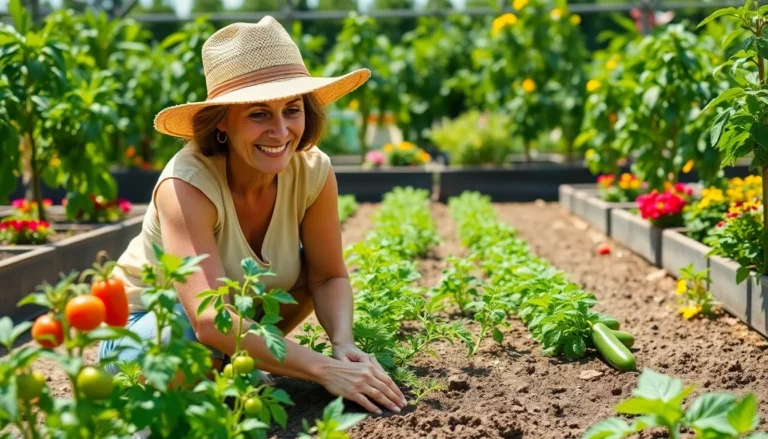
Square foot gardening is a method that allows us to grow a diverse range of vegetables in a compact space. The idea is simple: we divide our garden into square feet, each dedicated to a specific crop. This method caters perfectly to those of us with limited space or time but high hopes for lush harvests.
The concept originated from Mel Bartholomew in the 1980s and has since gained popularity among home gardeners. Instead of traditional row planting, we use raised beds, accessible paths, and a structured layout. This way, we can plant more in less space, ensuring that each square foot is utilized efficiently.
It’s not just about cramming plants together, though. Square foot gardening encourages crop rotation and companion planting, which can help reduce pests and diseases. With the right planning, we can cultivate a thriving mini-ecosystem right outside our door.
Benefits of Using a Vegetable Chart
Using a vegetable chart for square foot gardening revolutionizes how we plan our gardens. First off, it provides us a visual reference that simplifies decision-making. Not sure how many carrots can fit in one square foot? A quick glance at the chart reveals all.
Also, these charts help us understand growth patterns and companion plants. For instance, if we know carrots and radishes grow well together, we can plan accordingly, maximizing our output. And let’s be honest, who doesn’t love the satisfaction of watching a perfectly planned garden flourish?
Finally, tracking our seasons and crop rotations becomes a breeze. We can maintain a healthy growing environment while also preparing for upcoming crops in the rotation, ensuring our garden remains productive throughout the year.
Essential Elements of a Vegetable Chart
Creating or accessing a square foot gardening vegetable chart can be a game changer for our gardening journey. Here are some essential elements to consider:
Popular Vegetables for Square Foot Gardening
Lettuce: Space-saving and quick to grow, lettuce thrives in these conditions.
Tomatoes: A beloved garden staple, tomatoes can climb, making them an excellent choice.
Carrots: These underground favorites require minimal space above ground, perfect for square foot gardening.
Peppers: Bright and colorful, peppers add not just flavor but also aesthetic appeal to our gardens.
Growing Conditions and Requirements
Each vegetable comes with specific needs. Sunlight, watering, and soil preparation play crucial roles in our gardening success. When we set up our garden chart, we should include growth requirements for each vegetable to ensure optimal conditions. For example, tomatoes thrive in warmer temperatures, while lettuce prefers cooler weather.
Spacing and Planting Recommendations
Spacing in square foot gardening is vital. The general rule of thumb dictates how many of each crop we can plant per square foot based on their size:
Small crops (e.g., radishes, onions): Plant 16 per square foot.
Medium crops (e.g., spinach, beets): Plant 9 per square foot.
Large crops (e.g., tomatoes, broccoli): Only 1 or 2 per square foot.
By adhering to these guidelines, we maximize our yield without overcrowding plants and stunting growth. It’s important to plot these out on our vegetable chart to avoid any guesswork at planting time.
Tips for Successful Square Foot Gardening
To make the most of our square foot gardening adventure, here are a few handy tips:
Plan Ahead: Before planting, chart out our garden. Visualize what we want and how much of it fits where.
Soil Matters: Invest in good-quality soil. A rich blend of compost, peat, and vermiculite works wonders for our crops.
Stay Organized: Regularly check on our plants and update our charts. This keeps us on track for rotations and replanting.
Learn from Experience: Don’t hesitate to note what works and what doesn’t. Gardening is as much about patience and adaptation as anything else.